
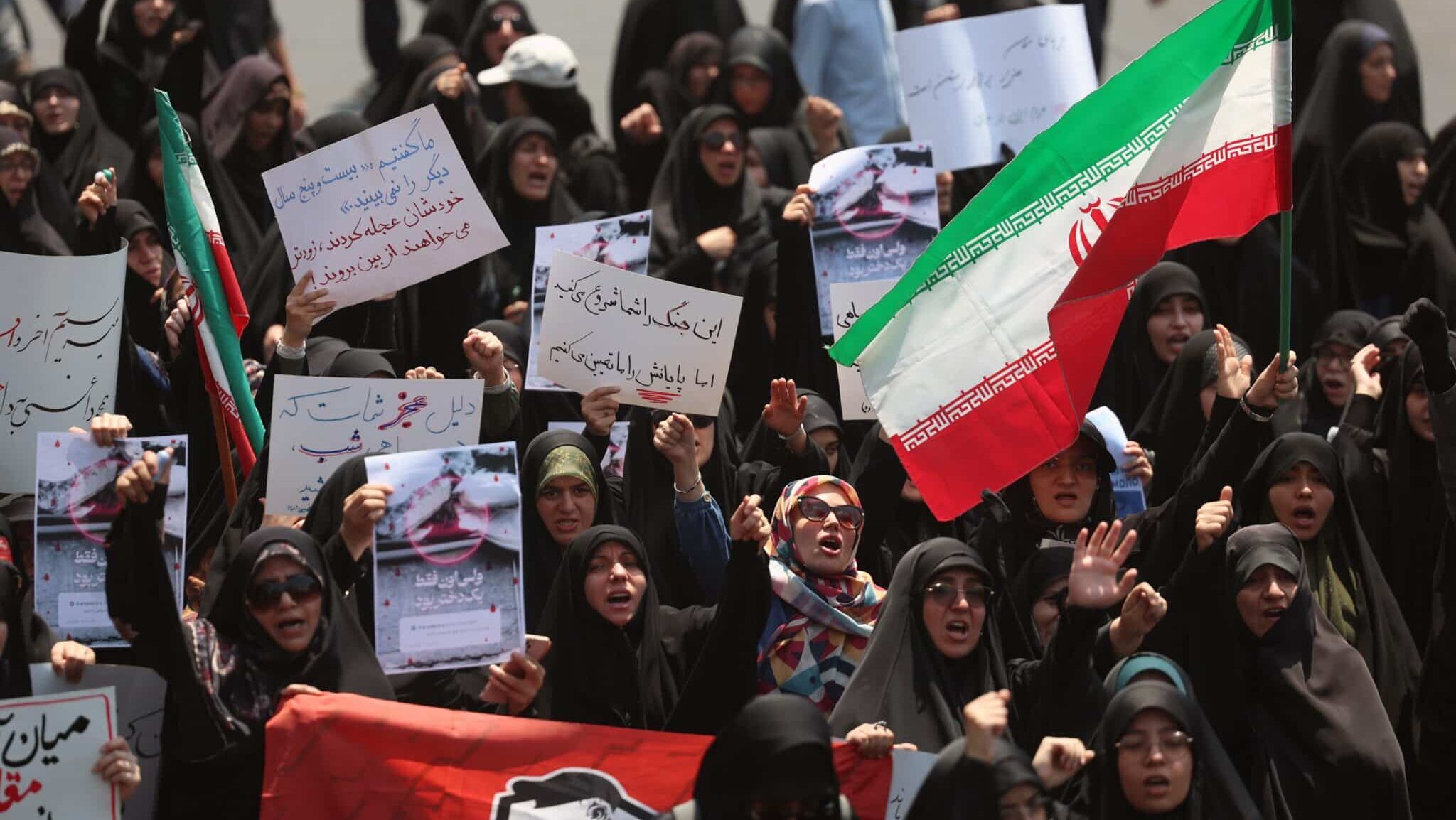
When a fox is cornered, it becomes most dangerous. The recent confrontation between Iran, the United States, and Israel may have ended with a fragile ceasefire, but few observers believe Tehran will abandon its long-term strategic ambitions. History suggests the opposite: when direct avenues of influence become constrained, Iran adapts, seeking alternative spaces where it can preserve and expand its presence.
The Western Balkans represent one of the few remaining regions where Iran retains opportunities for long-term engagement. Unlike the Middle East, where Iranian activities are subject to intense scrutiny and military pressure, the Balkans offer a more permissive environment for low-visibility influence operations. Rather than pursuing overt political interference, Tehran has traditionally relied on what many analysts describe as a strategy of “strategic patience”—the gradual cultivation of religious, educational, cultural, and social networks capable of generating influence over time.
This pattern is particularly relevant in Albania, Kosovo, and Montenegro. Albania has already experienced direct Iranian cyber operations, demonstrating Tehran’s willingness to escalate when circumstances require. Elsewhere in the region, however, the approach appears more subtle. Research and field interviews indicate the existence of networks of educational institutions, clerical connections, and externally supported community structures that deserve closer attention from both policymakers and security practitioners.
In Montenegro, the northeastern municipalities of Plav, Rožaje, and Gusinje occupy a strategically significant position due to their proximity to Kosovo, Albania, and the Sandžak region. According to local interlocutors, these areas have witnessed the development of religious and educational infrastructure linked to broader transnational networks. The concern is not that these activities constitute immediate political interference, but rather that they may contribute to the gradual emergence of opaque structures operating beyond effective institutional oversight.
The primary challenge is therefore one of awareness. Discussions about foreign malign influence in the Western Balkans are overwhelmingly dominated by Russia and, increasingly, China. Iran rarely features in regional security debates despite evidence suggesting that it continues to pursue long-term influence-building strategies across the region. This gap in attention creates vulnerabilities that may only become visible once networks are already entrenched.
For this reason, the issue deserves far greater scrutiny from the international think-tank community, intelligence services, policymakers, and democratic resilience practitioners. More research is needed to understand the scale of Iranian-linked activities, the nature of transnational clerical and educational networks, and their potential implications for governance, transparency, and social cohesion. Equally important is stronger regional cooperation among Western Balkan states to monitor financial flows, share intelligence, and ensure that legitimate religious and educational activities remain transparent and accountable.
The objective is not to stigmatize communities or exaggerate threats. Rather, it is to recognize that influence operations in the twenty-first century rarely begin with overt political intervention. They often start with patient, incremental, and seemingly benign engagement that only reveals its strategic significance years later. The Western Balkans should not wait until that point before asking difficult questions about the scope and objectives of Iranian activities in the region.
Danilo Kalezic. Montenegrin political scientist

The articles published in the “Opinions” column reflect the personal opinion of the author and may not coincide with the position of the Center